

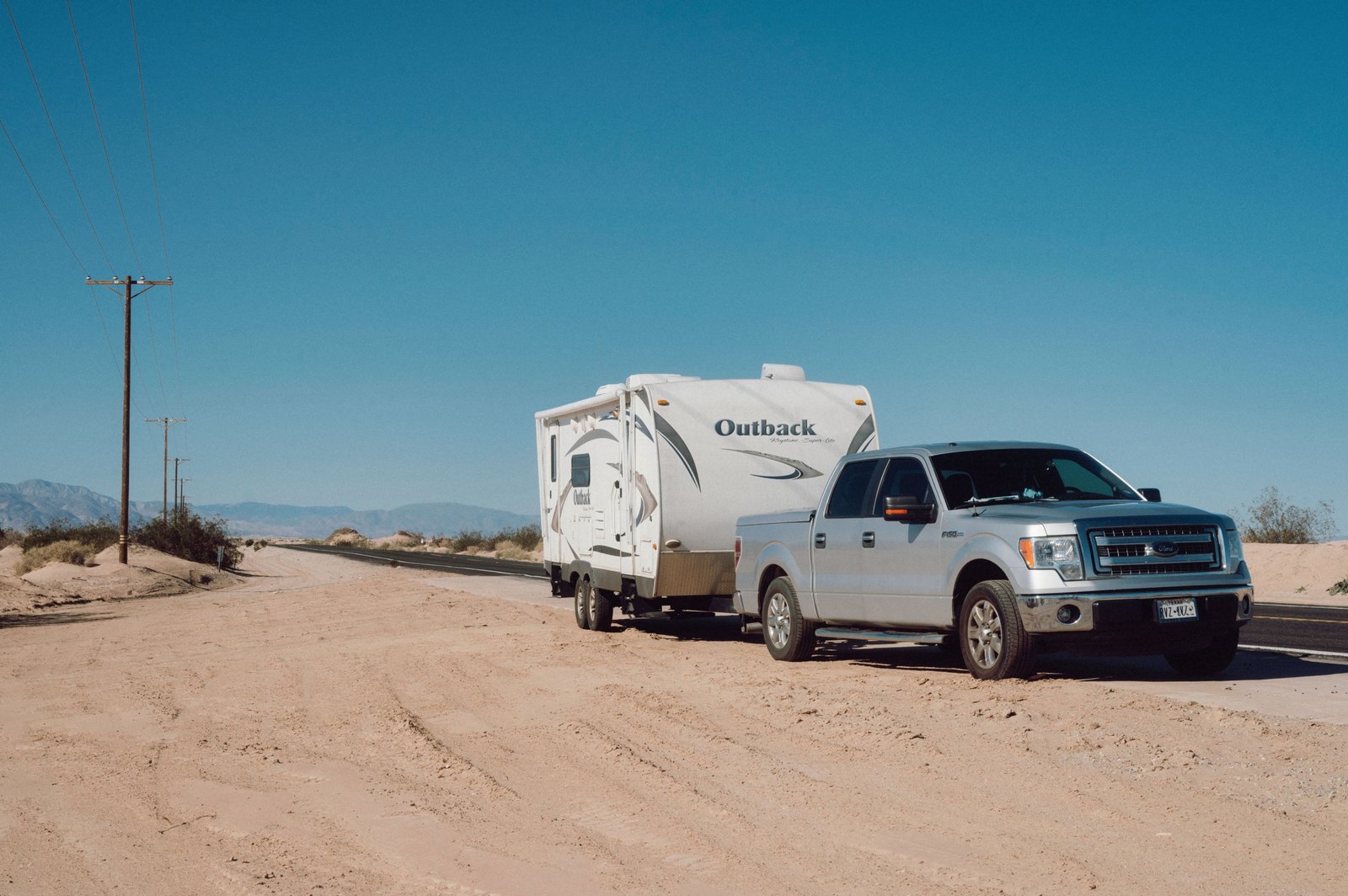
Understanding Campers and Travel Trailers
When planning a trip on wheels, the choice between a camper vs travel trailer is essential. Both provide a mobile home experience, yet their designs and uses differ significantly. Campers usually refer to motorized vehicles equipped with living spaces. They are self-propelled, combining transport and lodging. On the other hand, travel trailers are towable units attached to a vehicle, offering flexibility once parked.
Deciding between these options depends on your travel style, budget, and comfort preferences. To help you choose wisely, let’s explore what each option offers.
Pros and Cons of Campers
Campers come in various shapes and sizes, including Class A, B, and C motorhomes. They provide convenience since you drive and stay in the same unit. Here are some advantages:
- All-in-one mobility: No need for towing, making driving simpler.
- Quick setup: Campers require less time to settle at campsites.
- Built-in utilities: Most campers have kitchens, bathrooms, and sleeping areas ready to use immediately.
However, campers also have downsides you should consider:
- Higher cost: Both the initial purchase and maintenance tend to be more expensive than trailers.
- Fuel consumption: Motorhomes usually consume more fuel due to their size and weight.
- Parking challenges: Maneuvering large campers can be difficult, especially in tight spaces.
Advantages and Drawbacks of Travel Trailers
Travel trailers offer a different experience. You tow the unit with your vehicle, then unhitch and use it as a stationary home on wheels. Their benefits include:
- Lower initial cost: Travel trailers tend to be less expensive than campers.
- Vehicle flexibility: After parking the trailer, you can use your towing vehicle for daily errands or sightseeing.
- Variety of sizes: You can find different models, from compact to luxury trailers.
Still, they have limitations to keep in mind:
- Towing challenges: You need a suitable vehicle and skill to tow safely.
- Setup time: Setting up a travel trailer usually takes longer than a camper.
- Storage needs: When not in use, storing a trailer may require extra space.
Conclusion: Choosing between a camper and a travel trailer depends on your priorities. If convenience and quick mobility matter most, a camper is ideal. If you want budget-friendliness and vehicle freedom after setup, a travel trailer might be your best bet.
Consider your travel plans carefully. By weighing the pros and cons of campers vs travel trailers, you can invest in the perfect travel companion that fits your needs.

