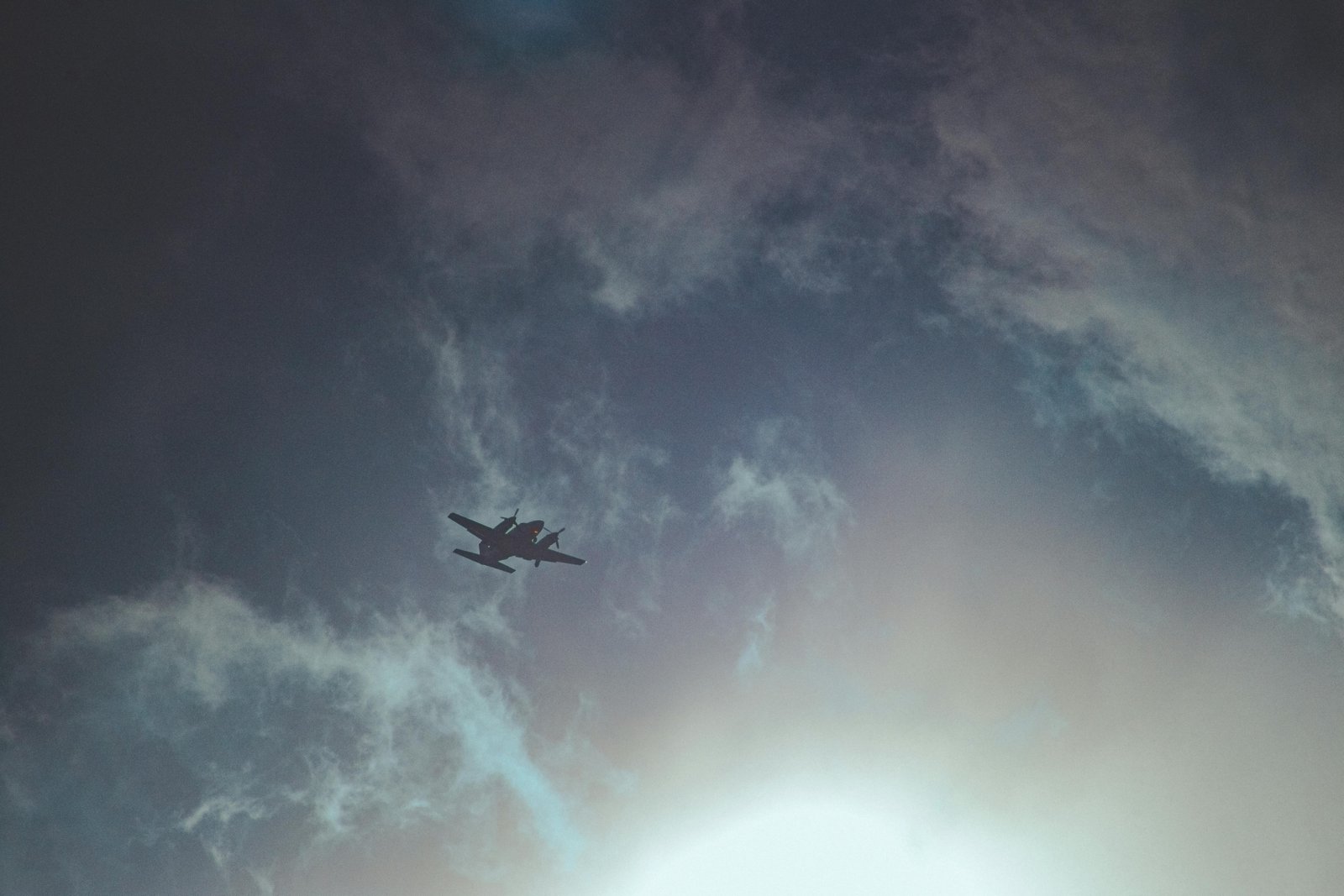
Have you ever looked out of an airplane window at the clouds below and wondered, how high do planes travel? This is a very common question for many passengers. Commercial aircraft cruise at altitudes that seem incredibly high. However, there are very important reasons for this, centered on efficiency, safety, and comfort. This guide explains everything you need to know about flight altitudes.
What Is the Typical Cruising Altitude for Commercial Aircraft?
Most commercial jets fly at a cruising altitude of between 33,000 and 42,000 feet. This is approximately 6 to 8 miles (or 10 to 13 kilometers) straight up into the sky. To put that into perspective, this altitude is significantly higher than the peak of Mount Everest, which stands at about 29,032 feet.
This specific range is known as the stratosphere. Pilots reach this height after takeoff and maintain it for the majority of the flight. Then, they begin their descent as they approach their destination. This stable altitude is where the aircraft is most efficient.
Why Do Planes Fly So High?
Flying at such high altitudes offers several key advantages. The primary reasons are related to performance and safety. In short, it makes the journey smoother, faster, and cheaper.
Improved Fuel Efficiency
The air is much thinner at higher altitudes. This means there is less resistance, or drag, pushing against the aircraft. As a result, the plane’s engines do not have to work as hard to maintain speed. Consequently, they burn less fuel, which makes the flight more economical for the airline and better for the environment.
Avoiding Bad Weather
Most weather phenomena, such as rain clouds, thunderstorms, and turbulence, occur in the troposphere. This is the lowest layer of the Earth’s atmosphere. By climbing above this layer into the stratosphere, airplanes can avoid the worst of the weather. Therefore, this provides a much smoother and more comfortable ride for passengers.
Less Air Traffic
Although the sky seems vast, it is a busy place. Air traffic controllers organize flight paths using different altitudes to keep aircraft safely separated. This system works like invisible highways in the sky. It ensures that planes flying in opposite directions or on different routes do not come too close to one another.
What Factors Determine How High Planes Travel?
The exact cruising altitude for a specific flight is not random. It depends on several variables that pilots and flight dispatchers carefully consider before and during the journey.
- Aircraft Type: Different airplane models are designed to be most efficient at different altitudes. For example, smaller regional jets may have a lower optimal altitude than a large Boeing 747.
- Flight Distance: Generally, longer flights fly higher. For a short, one-hour flight, the plane may not spend enough time climbing to reach the highest altitudes. In contrast, on a long-haul international flight, maximizing fuel efficiency is crucial.
- Aircraft Weight: A heavily loaded plane is harder to lift. Therefore, it may start its journey at a lower cruising altitude. As the flight progresses and fuel is burned, the aircraft becomes lighter. This allows the pilot to climb higher to a more efficient altitude.
- Wind and Air Currents: Pilots often use jet streams, which are fast-flowing air currents, to their advantage. Catching a strong tailwind can significantly reduce flight time and save fuel. As a result, a pilot might adjust the altitude to find the most favorable winds.
Do All Aircraft Fly at the Same Height?
No, not all planes fly in the 33,000 to 42,000-foot range. This altitude is specific to commercial jets. Smaller, private planes like Cessnas often fly much lower, typically below 10,000 feet. On the other hand, military jets and specialized aircraft like the former Concorde supersonic jet could fly much higher, reaching altitudes above 60,000 feet.
In conclusion, the altitude of an airplane is a carefully calculated decision. It balances physics, technology, and safety to make modern air travel as reliable as it is today. So next time you fly, you will know exactly why you are so high up.