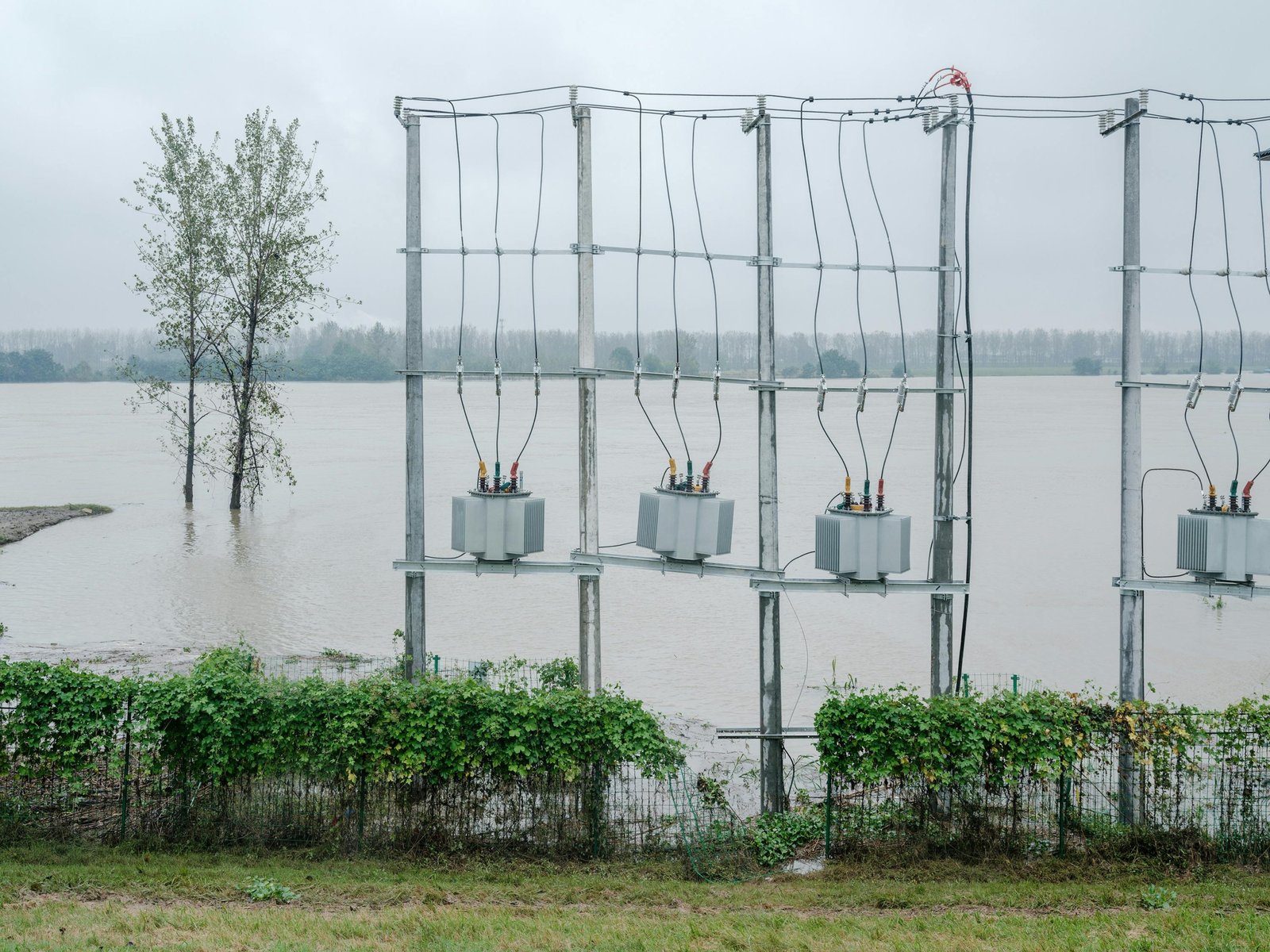
Many ask, how far does electricity travel in water? This question matters because water is a common medium through which electricity can spread. Understanding the science behind this can help save lives and prevent accidents.
What Determines Electricity Travel in Water?
Electricity moves through water depending mostly on the water’s conductivity. Pure water, such as distilled water, contains very few ions and barely conducts electricity. However, natural water—like lakes, rivers, or even tap water—contains minerals and salts. These minerals allow electrical currents to travel through water much easier and for longer distances.
Electricity travels through a path of least resistance. In water, dissolved salts and impurities provide that path. The higher the concentration of these ions, the farther and faster electricity can travel.
Factors Affecting Electrical Conductivity in Water
- Water Purity: Pure water limits electricity travel. Salty or mineral-rich water conducts electricity more effectively.
- Voltage Level: The strength of the electrical source affects how far the current travels in water. Higher voltages push electricity further.
- Water Temperature: Hotter water often conducts electricity better than cold water, as heat increases ion movement.
- Water Movement: Still water allows more stable current spread. Moving water might disperse electric charge differently.
- Distance from Source: Electricity loses energy with distance. The current weakens as it travels, reducing risk but not eliminating it.
Safety Precautions Around Electricity and Water
Because electricity can travel significant distances in water, safety is crucial. Here are key precautions:
- Avoid using electrical devices near water bodies.
- Never touch electrical equipment when standing in water or wet areas.
- If you suspect an electrical hazard in water, keep clear and call professionals.
- Install ground fault circuit interrupters (GFCIs) near water sources at home.
- Learn basic first aid for electrical shock emergencies.
In summary, the distance electricity travels in water depends on several factors like water conductivity, voltage, and temperature. While the exact distance varies widely, it’s clear that electricity can spread far enough in water to cause serious harm or death. Thus, always treat electricity near water with extreme caution.
Understanding how far does electricity travel in water equips you to stay safer around water in everyday life or outdoor activities.