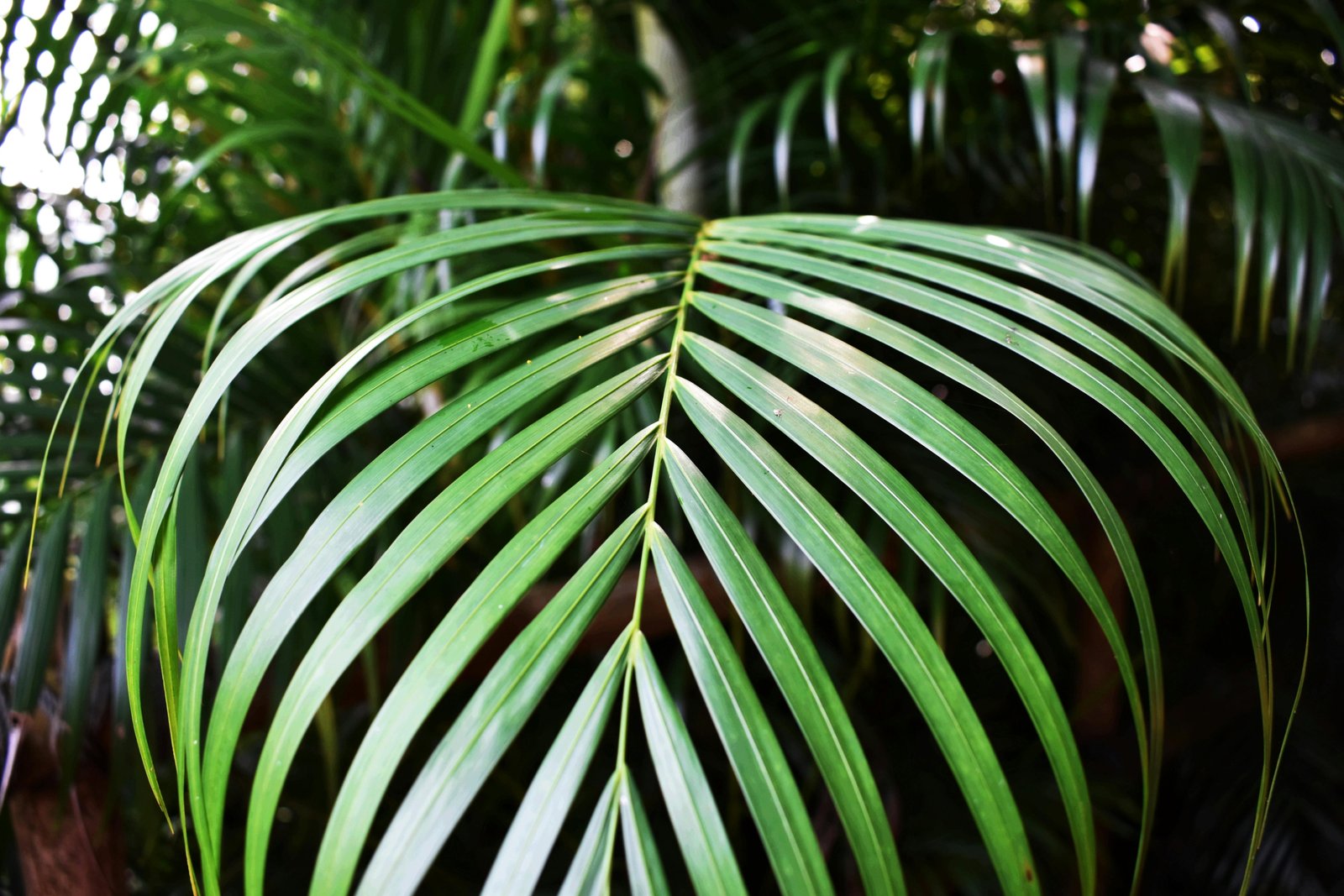
What is the traveler’s palm?
The traveler’s palm, also known as Ravenala madagascariensis, is a striking tropical plant native to Madagascar. Despite its name, it is not a true palm but belongs to the family Strelitziaceae. Its fan-like arrangement of large, banana-shaped leaves gives it a unique and dramatic look that attracts many gardeners and travelers.
People often spot the traveler’s palm in tropical and subtropical gardens worldwide due to its impressive size and shape. The plant can grow up to 30 feet tall and spread wide, making it a centerpiece in any landscape. Additionally, its leaves can collect water, which, according to legend, helped travelers stay hydrated, hence its common name.
How to Care for a Traveler’s Palm
Caring for a traveler’s palm is straightforward but requires attention to its environment. Because it thrives in warm, humid climates, it should be planted in an area with plenty of sunlight but occasional shade.
Here are key tips for healthy growth:
- Light: Full sun to partial shade works best.
- Water: Water regularly during the growing season, ensuring the soil is moist but not soggy. Reduce watering in winter.
- Soil: Well-draining, fertile soil keeps roots healthy.
- Temperature: It prefers 65°F to 85°F (18°C to 29°C) but should be protected from frost.
- Fertilizer: Use a balanced fertilizer monthly during spring and summer.
Pruning dead leaves improves appearance and encourages new growth. However, be careful as the plant is sensitive to cold and root disturbance.
Uses and Symbolism of the Traveler’s Palm
The traveler’s palm is more than just a decorative plant. It has several practical and cultural uses. Traditionally, the plant’s leaves served as thatching material and its stalks were used in construction. Furthermore, its unique water-holding leaves provided emergency hydration to travelers in the wild.
Symbolically, the traveler’s palm represents safe journeys and exploration. Many people plant it along walkways or near entrances to invoke protection and good luck during travels.
In landscaping, it adds a tropical and exotic touch to gardens, resorts, and parks. Its architectural form is perfect for focal points and for creating privacy screens or windbreaks.