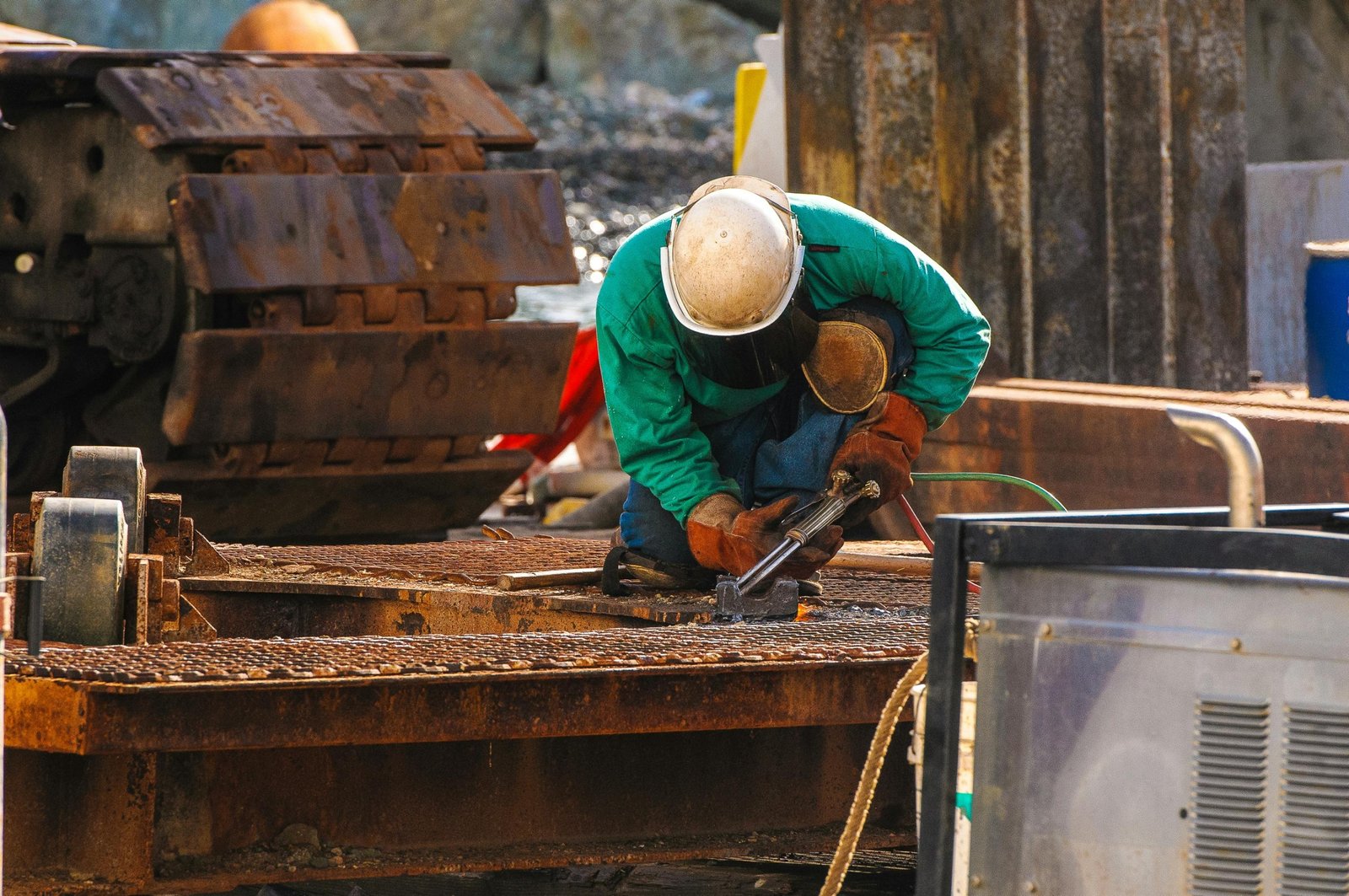
What Are travel welding jobs?
Travel welding jobs require welders to move from place to place for temporary contracts. These jobs usually involve working on construction sites, pipelines, shipyards, or industrial facilities. Travel welders use their skills to fix, build, or maintain metal structures in various locations. As a result, they combine their trade expertise with the opportunity to explore new places.
Benefits of Taking Travel Welding Jobs
Choosing travel welding jobs offers unique advantages. First, you often earn higher pay compared to local welding work. Companies pay travel welders well because they fill urgent or specialized needs onsite. Additionally, travel welders gain valuable experience by working on different projects and equipment. This variety keeps work interesting and improves skills.
Moreover, travel welding jobs let you see new cities and regions. You can experience different cultures during your work assignments, giving your career an adventurous edge. Finally, travel welders enjoy flexible schedules and sometimes receive travel and lodging allowances, reducing living expenses.
How to Find the Best Travel Welding Jobs
Securing travel welding jobs requires preparation and research. Start by obtaining the right certifications, such as AWS welding credentials or equivalent qualifications. These make you attractive to employers seeking reliable welders.
Next, search specialized websites and recruiting agencies that focus on travel welding jobs. Some platforms list lucrative contracts across countries or states. Networking with other welders and attending trade events can also lead to job leads.
When applying, tailor your resume to highlight your travel availability and certifications. Be ready to prove your skills through testing or demonstrations. Also, understand contract terms, such as duration and compensation, to avoid surprises.
Top Tips for Success in Travel Welding Jobs
- Maintain your welding equipment and carry portable tools.
- Stay physically fit and adapt to different work environments.
- Communicate clearly with employers about schedule and job details.
- Keep certifications and safety training up-to-date.
- Plan your travel and lodging to reduce stress during assignments.