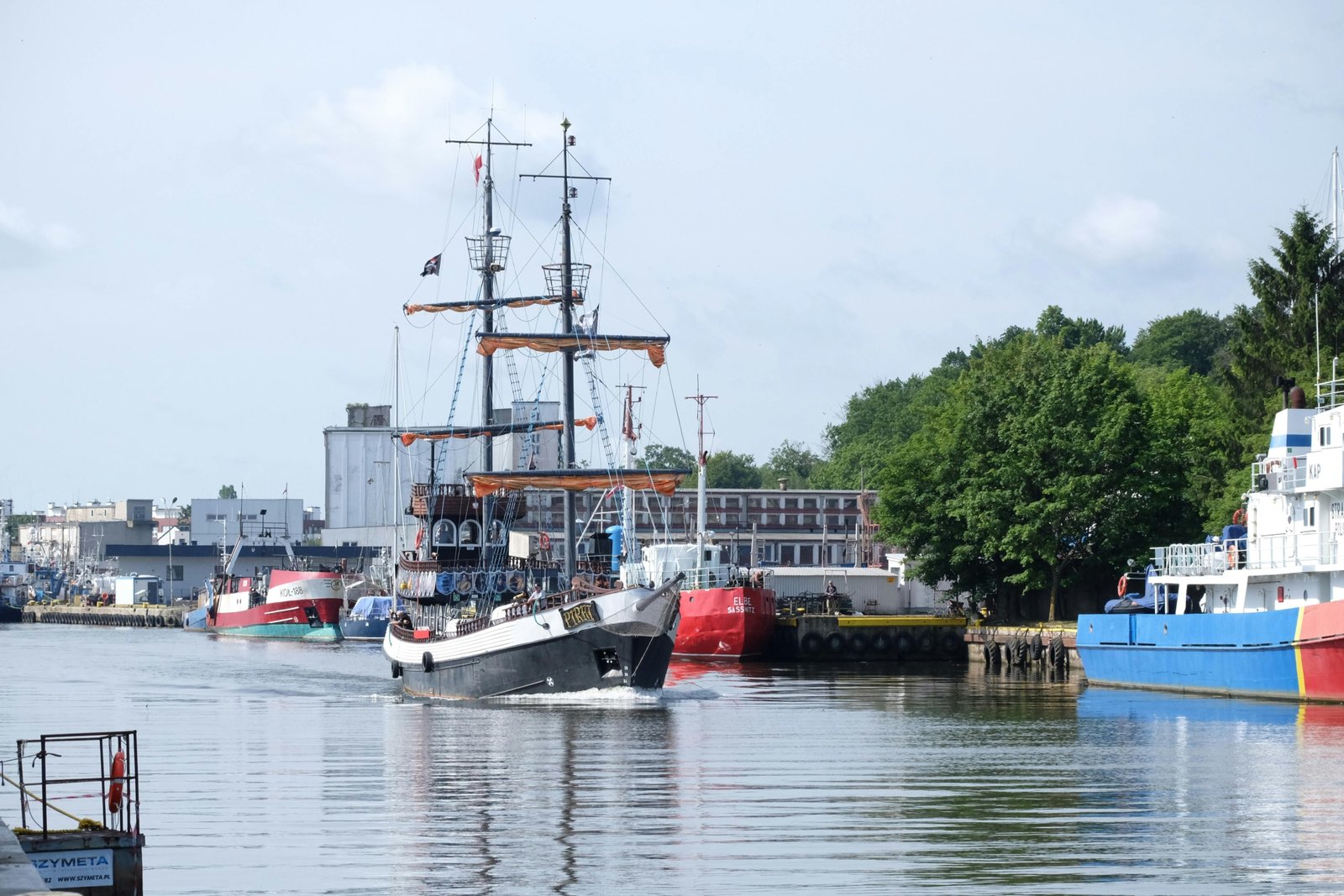
The concepts of trade and travel are deeply intertwined throughout human history. From ancient mariners to modern entrepreneurs, the quest for commerce has always been a powerful driver of exploration. This journey through time reveals how the desire for new goods and markets has consistently pushed humanity to discover new lands and cultures. Consequently, understanding this connection opens up new perspectives for today’s global citizen.
A Historical Look at Trade and Travel
Long before tourism existed, people traveled primarily for survival, pilgrimage, or trade. The Phoenicians, for instance, were master sailors who established vast trade networks across the Mediterranean. They didn’t just sail for adventure; they sailed to exchange goods like timber, glass, and dyes. This fundamentally linked their voyages to their economic prosperity.
Similarly, the Roman Empire built an extensive network of roads. While these roads served military purposes, they also became vital arteries for commerce. This infrastructure allowed merchants to travel safely, therefore boosting trade and connecting distant provinces. The movement of goods was essential to the empire’s success.
The Legendary Silk Road
Perhaps the most famous example is the Silk Road. This ancient network of trade routes connected the East and West for centuries. Merchants undertook perilous journeys to trade silk, spices, and other precious commodities. These travels were not simple trips; they were complex expeditions that fostered incredible cultural exchange along the way.
How Trade Routes Shaped the World We Know
Trade routes did more than just move products. They were conduits for ideas, technologies, religions, and cultures. As merchants traveled, they shared knowledge and innovations. For example, the invention of paper and gunpowder spread from China to the West along these very paths. This exchange profoundly shaped societies across the globe.
Moreover, major cities often emerged and flourished at key trading hubs. Places like Venice, Constantinople, and Alexandria grew into powerful metropolitan centers because they controlled vital trade intersections. Their wealth and influence were built directly upon the fusion of trade and travel.
Modern Opportunities: Combining Trade and Travel in 2025
The historic link between trade and travel is stronger than ever in our globalized world. However, its form has evolved. Today, anyone can participate in global commerce while exploring new destinations. The opportunities are diverse and accessible.
Here are a few modern examples:
- E-commerce Sourcing: Entrepreneurs travel to countries like Vietnam or Indonesia to source unique, handcrafted goods to sell online. This allows them to build a business while experiencing another culture directly.
- Digital Nomadism: Skilled professionals in tech, marketing, or writing work remotely for clients around the world. Their travel is funded by their trade in digital services.
- Attending International Trade Shows: Business owners travel to global expos to discover new products, network with suppliers, and stay ahead of industry trends.
- Consulting Abroad: Experts in various fields can offer their services to companies in other countries, blending professional work with international living.
Practical Tips for the Traveling Entrepreneur
If you’re inspired to combine trade and travel, preparation is key. A successful venture requires more than just a passport and a business idea. You need a solid strategy to navigate the complexities of international commerce.
Follow these essential tips:
- Research Your Market: Before you go, thoroughly understand the local business culture, regulations, and consumer needs. What works at home may not work abroad.
- Understand Logistics: Figure out shipping, customs, and import/export laws. These logistical hurdles can make or break your business. Therefore, seek expert advice if needed.
- Leverage Technology: Use digital tools to manage your business remotely, communicate with partners, and handle financial transactions securely.
- Network Constantly: Build relationships with local suppliers, partners, and other entrepreneurs. A strong network is your most valuable asset when operating in a foreign country.
In conclusion, the spirit of the merchant explorer is alive and well. The fundamental relationship between trade and travel continues to shape our world, offering endless opportunities for those with an adventurous and entrepreneurial spirit. By embracing this connection, you can create a life of both profit and discovery.