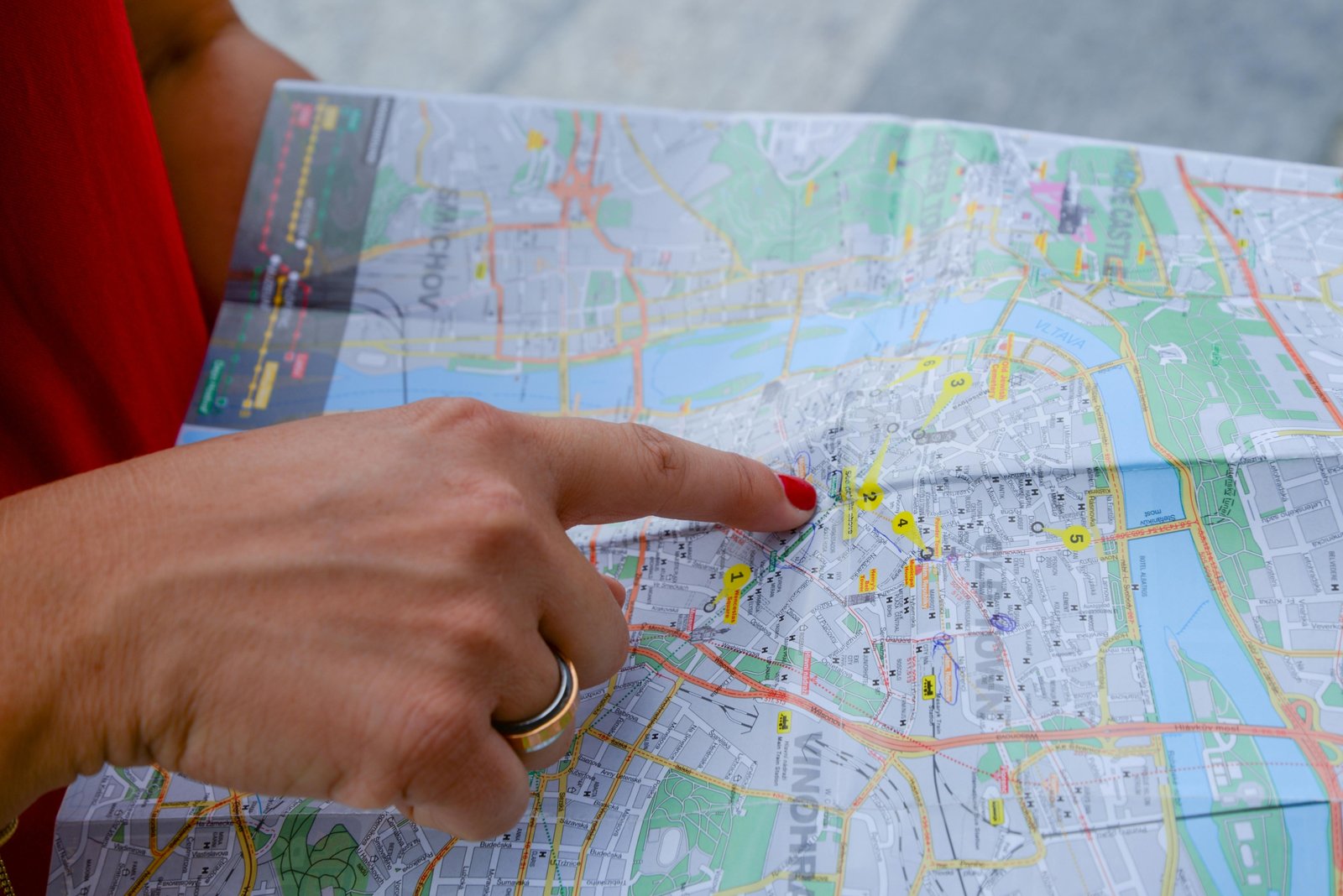
Finding your way around New York City can be overwhelming. However, a manhattan travel guide map makes it simple to explore this iconic borough. Whether you are visiting for the first time or returning, a detailed map helps you locate landmarks, plan routes, and discover hidden gems.
Why Use a Manhattan Travel Guide Map?
A map designed specifically for Manhattan travelers offers several advantages. First, it shows all essential transit routes like the subway lines, bus stops, and ferry terminals. This information saves time and reduces stress when navigating busy streets. Moreover, a travel guide map highlights must-see attractions, such as Central Park, Times Square, and the Museum of Modern Art.
Additionally, these maps often include walking paths and bike lanes. Using them lets you enjoy Manhattan’s diverse neighborhoods at your own pace. In fact, with clear visuals and labels, you can confidently explore areas off the usual tourist track.
Top Manhattan Neighborhoods to Explore
Manhattan contains many distinct neighborhoods worth visiting, and your travel guide map will help you find each quickly. Here are some popular ones to add to your list:
- Midtown: Home to the Empire State Building, Rockefeller Center, and grand theaters.
- Upper East Side: Known for upscale shops, elegant museums, and Central Park access.
- Lower Manhattan: Features Wall Street, the 9/11 Memorial, and historic sites.
- SoHo & Greenwich Village: Offers trendy boutiques, art galleries, and vibrant nightlife.
- Harlem: Rich in culture and music history, with great food spots.
With a Manhattan travel guide map, you can see where each neighborhood lies relative to others. This helps you build an efficient itinerary without backtracking.
How to Read and Use Your Manhattan Travel Guide Map Effectively
To get the most out of your map, start by identifying subway lines and their stops. Look for the numbered and lettered routes. You can plan your journey by connecting these stops to your chosen sights.
Next, use the map’s legend to understand symbols like parks, museums, and restaurants. Many maps also indicate walking distances between places. This feature is handy if you prefer strolling instead of using public transit.
Finally, consider printing a physical copy or downloading an offline digital map. Subway service changes and crowded Wi-Fi spots might limit your phone’s usability. Having a reliable, always-accessible map ensures smooth exploration anytime.
In summary, a Manhattan travel guide map is an essential tool for every visitor. It not only aids navigation but also enhances your experience by connecting you to New York’s rich culture and history. Use the tips above to choose and use the best map for your adventure.