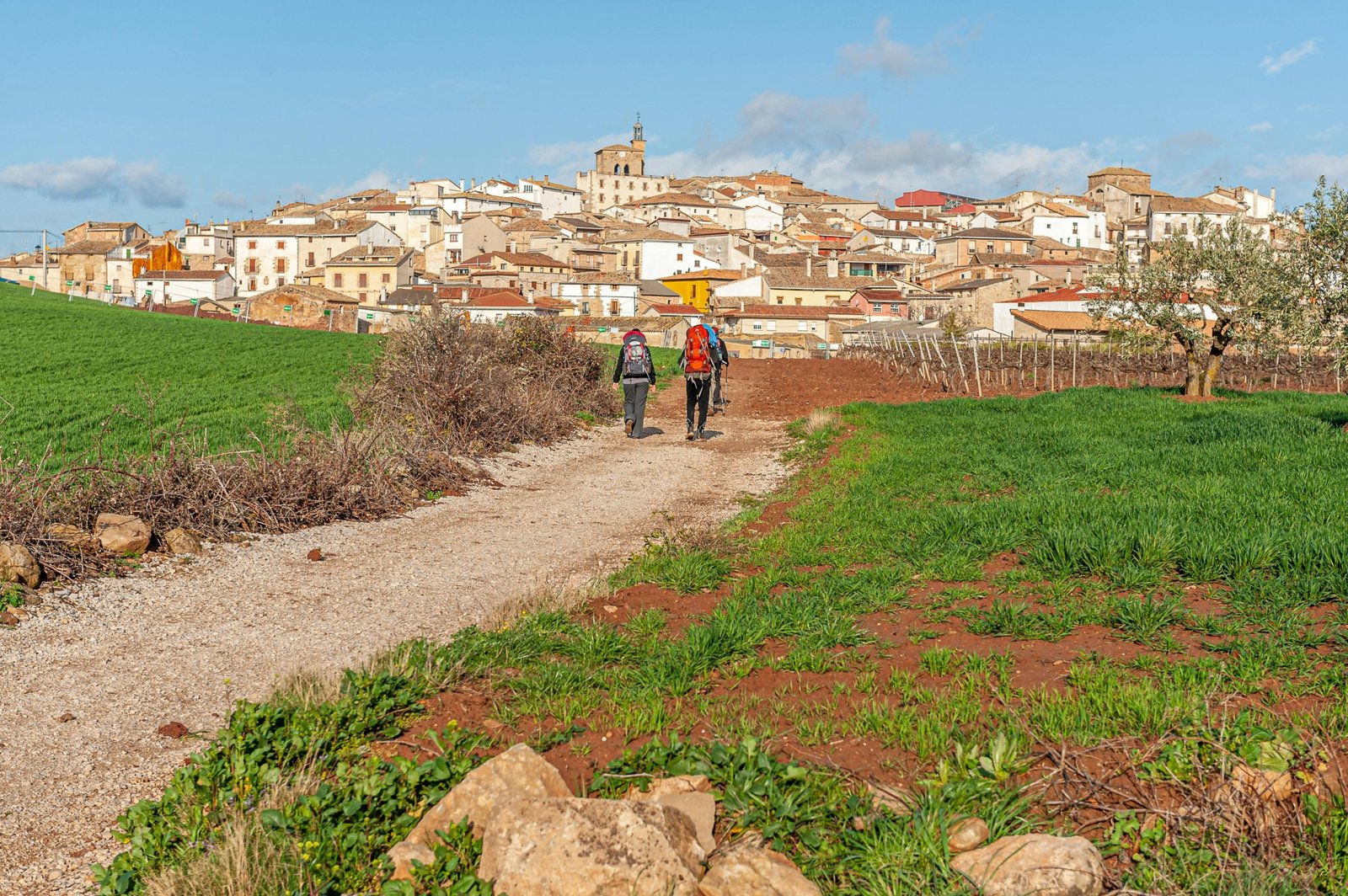
When we see literally travelers going to a holy place, we are witnessing an ancient practice known as a pilgrimage. This is much more than a simple vacation. Instead, it is a journey with a deep spiritual purpose. For centuries, people from all cultures have undertaken these quests for meaning, healing, or devotion. In this guide, we will explore this profound tradition. Furthermore, we will look at the motivations that drive people and some of the world’s most sacred destinations.
What Is a Pilgrimage? The Journey of Literally Travelers Going to a Holy Place
A pilgrimage is a journey to a destination of religious or spiritual significance. The people who make these journeys are called pilgrims. Unlike tourists, pilgrims travel with a specific intention. For example, their goal might be to honor a deity, seek spiritual healing, or fulfill a religious obligation.
Consequently, the journey itself is often as important as the destination. It is a time for reflection, prayer, and personal transformation. This separates it from regular tourism, which focuses more on leisure and sightseeing. Therefore, a pilgrimage is a deeply personal and meaningful experience.
Why Do People Embark on These Spiritual Journeys?
The reasons for embarking on a pilgrimage are diverse and deeply personal. However, some common motivations inspire millions of people every year. Understanding these reasons helps us appreciate the significance of their travel.
- Spiritual Devotion: Many pilgrims travel to show their faith and connect more deeply with their beliefs. The act of traveling is a powerful expression of their devotion.
- Seeking Healing or Miracles: Some holy places are famous for stories of healing. As a result, people visit them to pray for physical, emotional, or spiritual recovery for themselves or loved ones.
- Fulfilling a Vow: Sometimes, a person makes a promise to undertake a pilgrimage if a specific prayer is answered. This journey is their way of giving thanks.
- Finding Inner Peace: The modern world can be chaotic. A pilgrimage offers a chance to step away from daily life, reflect, and find a sense of inner peace and clarity.
- Cultural Connection: For some, it is a way to connect with their heritage and walk in the footsteps of their ancestors.
Famous Holy Places and Pilgrimage Routes
Around the world, countless sites draw pilgrims. Each has its own unique history and significance. Below are a few of the most well-known examples.
The Camino de Santiago, Spain
This network of pilgrim routes across Europe all leads to the shrine of the apostle St. James in Santiago de Compostela. For over a thousand years, Christians have walked this path for spiritual growth and penance.
Mecca, Saudi Arabia
The Hajj pilgrimage to Mecca is a mandatory religious duty for all able-bodied Muslims who can afford it. It is one of the Five Pillars of Islam and represents a powerful expression of unity and faith.
Varanasi, India
Situated on the banks of the River Ganges, Varanasi is one of the holiest cities for Hindus. Pilgrims come to bathe in the sacred waters of the Ganges, believing it cleanses them of sin.
How to Prepare for Your Own Spiritual Journey
If you feel inspired to become one of the literally travelers going to a holy place, some preparation is essential. A pilgrimage requires both mental and physical readiness.
First, research your destination thoroughly. You should understand its cultural and religious customs. In addition, pack light but practical items. Focus on comfortable shoes, appropriate clothing, and any personal items you need for reflection, like a journal. Most importantly, travel with an open heart and mind. Be ready to embrace the challenges and rewards of your journey.