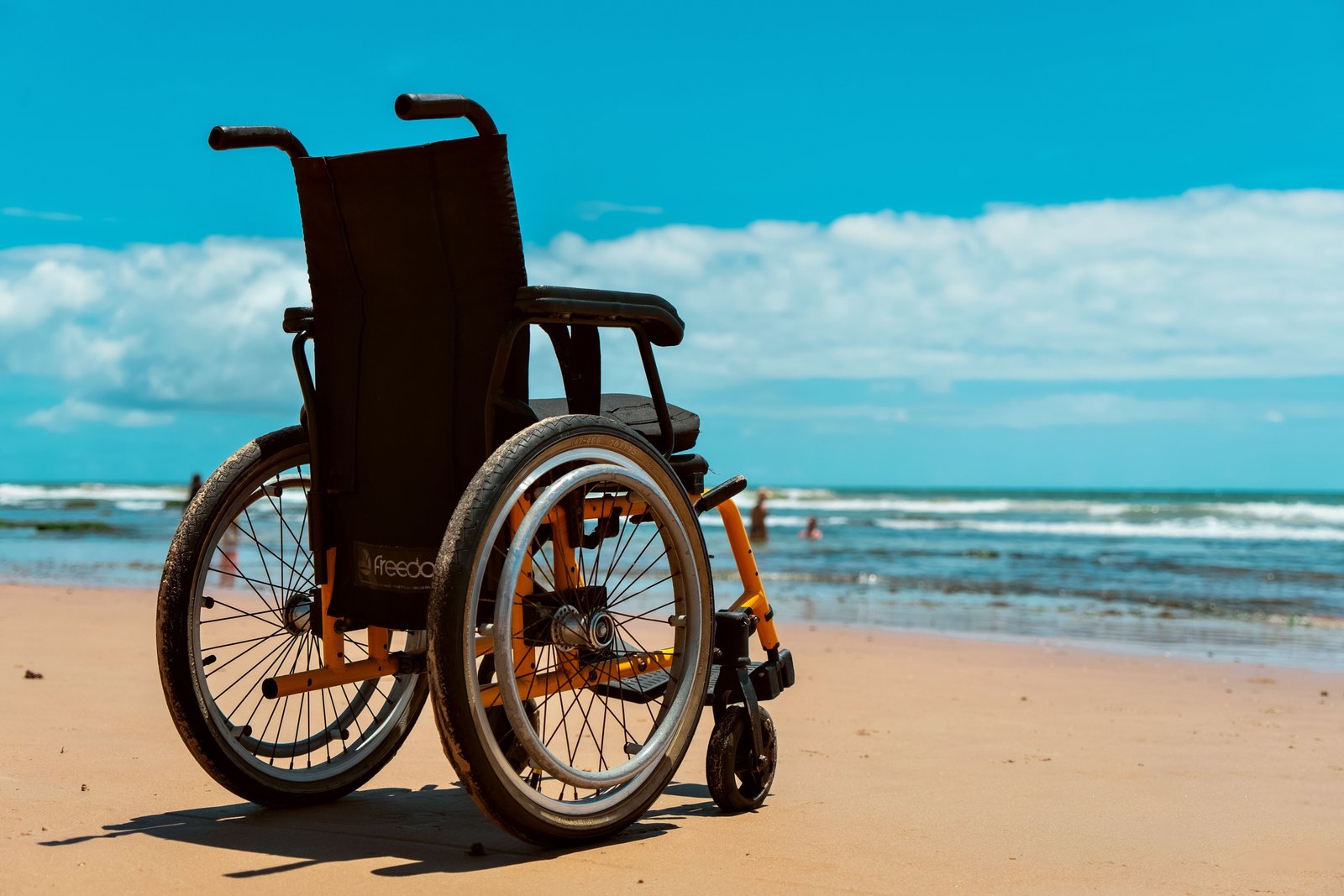
Understanding Additional Challenges for Travelers with SCI
Traveling internationally can be complicated. However, in addition to foreign travel requirements those with sci must pay special attention to their unique needs. A spinal cord injury (SCI) affects mobility and sometimes other body functions. This impacts planning, from packing to transportation and accommodation.
Knowing the common travel regulations is important, but it is equally critical to understand how your condition interacts with these rules. This knowledge helps avoid unexpected problems during your trip.
Health and Medical Preparations Before Traveling
First and foremost, consult your healthcare provider. They can offer personalized advice related to your SCI and travel plans. In addition to standard travel documents like passports and visas, those with SCI must carry detailed medical records.
These include:
- Information about your diagnosis and treatment
- Medication lists and prescriptions
- A letter from your doctor explaining your condition
- Emergency contact details of your medical team
Moreover, check your destination’s healthcare facilities and insurance coverage. Some countries require specific vaccines or health tests. Prepare for possible delays at customs by allowing extra time at airports.
Accessibility and Safety Tips During Your Trip
Accessibility can be a major concern abroad. In addition to foreign travel requirements those with SCI must ensure transportation and lodging suit their needs. Call hotels in advance to confirm accessible rooms and facilities.
When booking flights, inform the airline early about any assistance required. Many airlines offer wheelchair services and priority boarding. Additionally, carry adaptable equipment such as portable ramps or lightweight wheelchairs if needed.
During the trip, monitor skin health to avoid pressure sores, and stay hydrated. Have a plan for emergencies, including knowing the nearest hospital or clinic. Using smartphone apps for accessible travel or communication can also be very helpful.
Finally, remain flexible but confident. Proper preparation allows those with SCI to enjoy safe and rewarding international travel experiences.