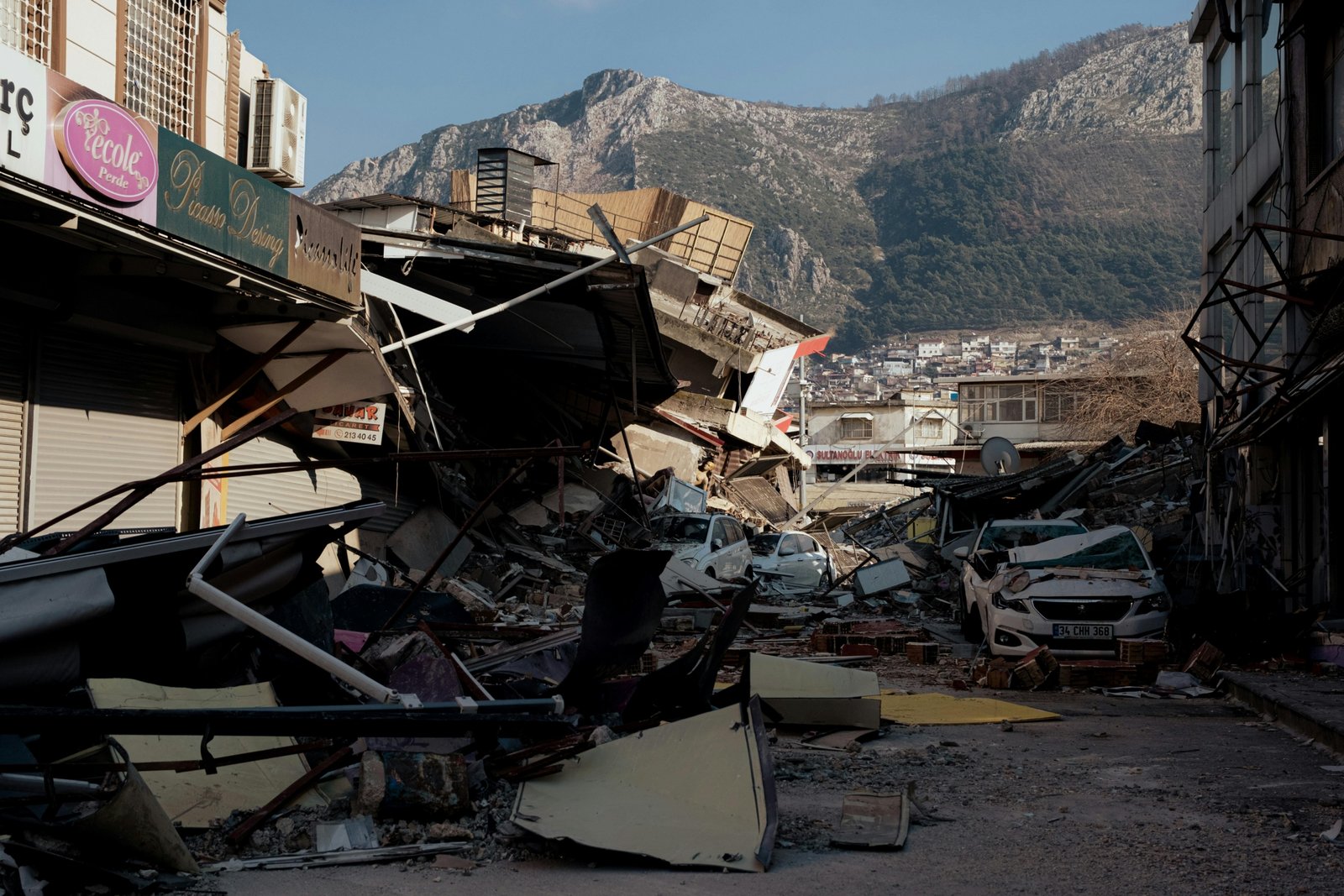
Understanding how fast do earthquakes travel is key to grasping their impact. Earthquakes release energy that moves through the Earth as seismic waves. These waves travel at different speeds depending on their type and the materials they pass through.
What Are Earthquake Waves?
When an earthquake occurs, it produces several types of seismic waves. The two main categories are body waves and surface waves. Body waves travel through the Earth’s interior, while surface waves move along the Earth’s surface. Both play a role in shaking and potential damage.
Body Waves
- P-waves (Primary waves): These are compressional waves and the fastest seismic waves. They move through solids, liquids, and gases by pushing and pulling particles in the direction of travel.
- S-waves (Secondary waves): These shear waves are slower than P-waves and can only move through solids. They shake the ground perpendicular to their direction of travel.
Surface Waves
- Love waves: These cause horizontal shaking and usually travel faster than Rayleigh waves.
- Rayleigh waves: These waves roll along the ground, causing both vertical and horizontal movement.
Speeds of Different Seismic Waves
The question how fast do earthquakes travel depends on the specific wave type. Here is a general overview of seismic wave speeds:
- P-waves: Travel between 5 to 14 kilometers per second (km/s), making them the fastest seismic waves.
- S-waves: Move at speeds ranging from 3 to 8 km/s, slower than P-waves but faster than surface waves.
- Surface waves: Typically travel at 2 to 4 km/s but can cause the most damage due to larger amplitude and longer duration.
These speeds vary widely because of Earth’s layered structure. For example, seismic waves travel faster in dense, solid rock than in softer soil.
Factors Affecting Earthquake Travel Speeds
Several factors influence how fast seismic waves travel across the Earth:
- Earth’s Composition: Waves move faster through harder and denser materials. For instance, waves speed up in the Earth’s mantle compared to the crust.
- Temperature: Higher temperatures generally slow down seismic waves by softening rocks.
- Depth of Earthquake: Deeper earthquakes can send waves that travel faster due to denser surroundings.
- Wave Frequency: Higher frequency waves usually lose energy faster and may travel slower over long distances.
Because of these factors, scientists use networks of seismometers worldwide to study wave behavior. This helps in early warning systems where P-waves arriving first can signal stronger shaking from slower S-waves and surface waves.
In conclusion, knowing how fast do earthquakes travel is essential for understanding seismic hazards and improving safety measures in earthquake-prone areas.