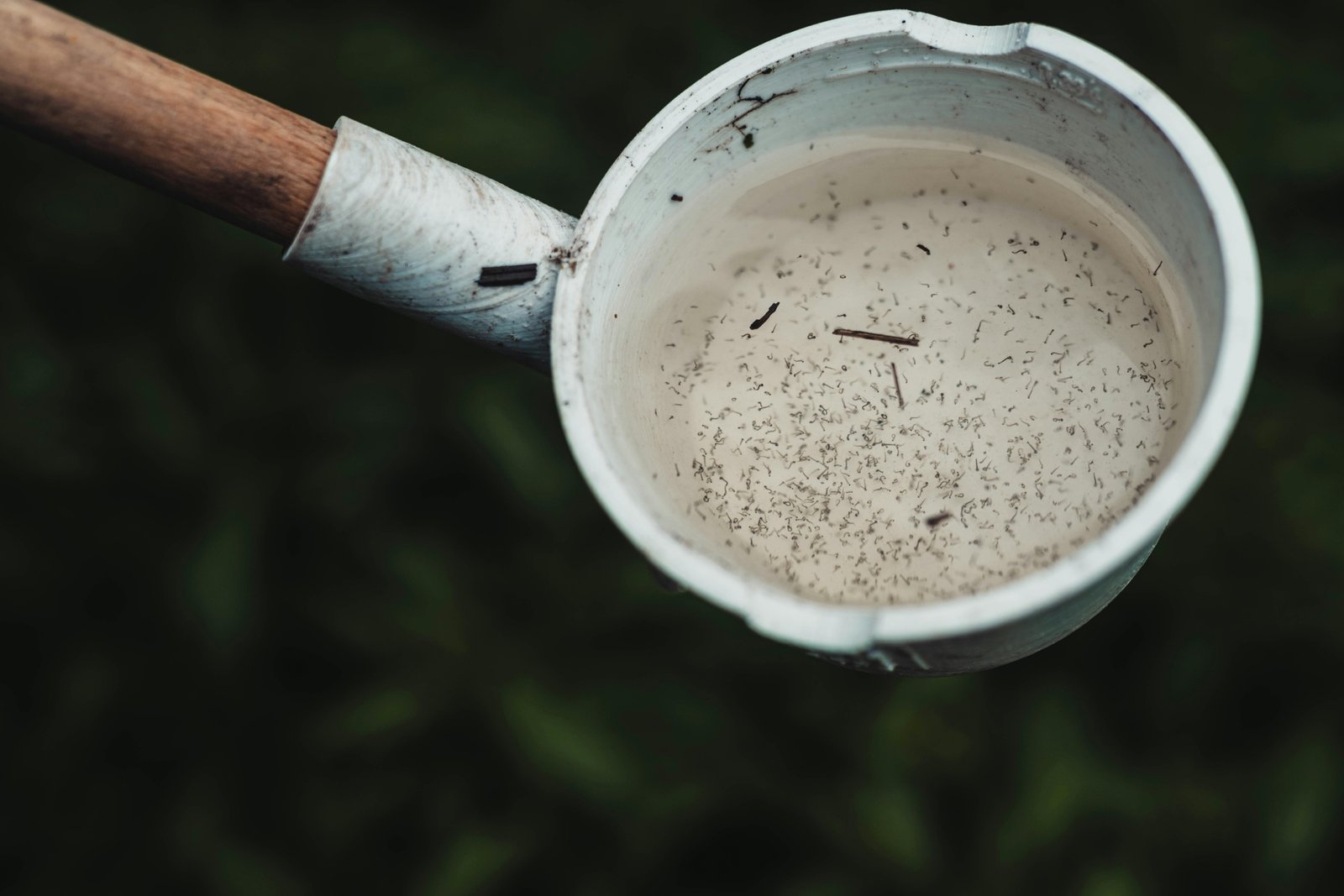
Mosquitoes are tiny insects known for their annoying bites and ability to spread diseases. If you’ve ever swatted one away and wondered, how far does a mosquito travel, you’re not alone. Understanding their flight range can help in controlling their populations and reducing risks. This article discusses the typical distance mosquitoes travel and what influences their movement.
Understanding Mosquito Flight Range
Most mosquitoes do not travel very far from their breeding grounds. Studies show they usually fly between 1 and 3 kilometers (0.6 to 2 miles) during their lifetime. However, this depends on the species. Some mosquitoes are known to travel shorter distances—less than 500 meters—while others, like the salt-marsh mosquito, can travel up to 10 kilometers (6 miles).
Interestingly, female mosquitoes tend to fly farther than males. They need to find blood meals and suitable places to lay eggs, so their movement covers more ground. Males mostly stay close to breeding sites as their main role is to mate.
Factors Influencing Mosquito Travel Distance
Several factors affect how far a mosquito travels. The key ones include:
- Species: Different species have different flight capabilities. For example, Anopheles mosquitoes, which spread malaria, usually stay close to water bodies.
- Availability of food: Female mosquitoes fly farther when blood meals are scarce and easier to find at greater distances.
- Environmental conditions: Wind, temperature, and humidity play a vital role. Strong winds may blow mosquitoes far, but they mostly prefer calm conditions for flying.
- Breeding site locations: Mosquitoes tend to stay within areas where they were born. If breeding spots are close together, their travel range shrinks.
- Barriers: Physical barriers like mountains, large bodies of water, or urban structures can limit flight distance.
Why Knowing Mosquito Travel Distance Matters
Understanding how far a mosquito travels is important for several reasons. First, it helps public health officials control mosquito-borne diseases by knowing how far infected mosquitoes might spread viruses.
Second, it guides where to focus mosquito control efforts such as spraying insecticides or removing standing water. If mosquitoes only travel short distances, targeting breeding sites locally can be effective.
Finally, it educates the public about personal protection. Knowing mosquitoes usually stay close to water can help people take steps like using mosquito nets or repellents in high-risk zones.
In summary, mosquitoes typically travel a few kilometers at most, with many species staying much closer to their breeding sites. Their travel distance depends on species, access to food, and environmental conditions. Recognizing this helps us better protect ourselves from their bites and the diseases they can carry.