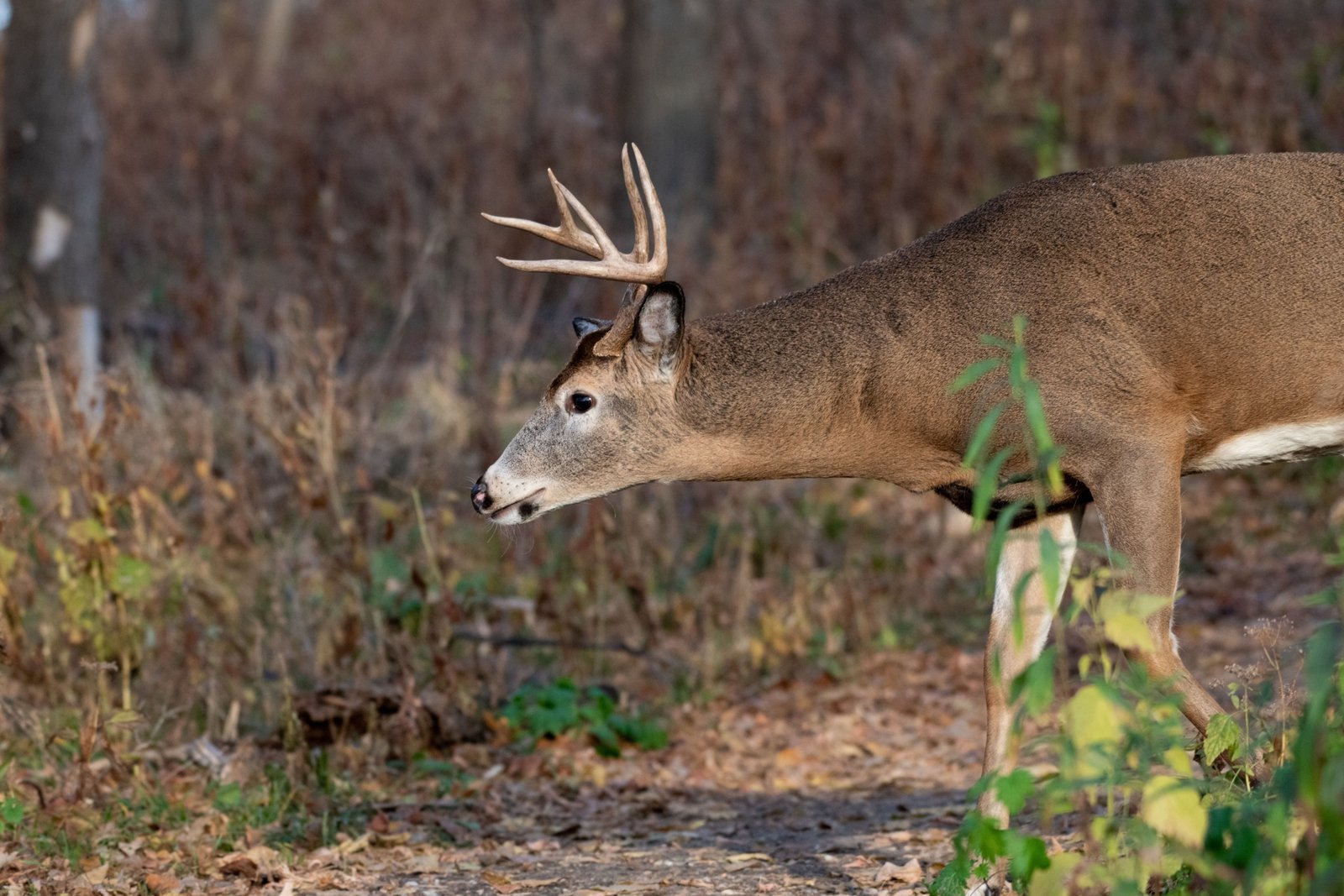
how far do bucks travel is a common question among hunters, wildlife enthusiasts, and nature observers. Bucks, or male deer, move regularly through their habitat. Their travel distances depend on many things including food availability, breeding season, and human impact.
Daily Movement Patterns of Bucks
During a regular day, most bucks travel short distances. Typically, they stay within a home range of 1 to 3 square miles. On average, a buck might move about 1 to 5 miles per day while searching for food, water, and shelter. However, this varies with the environment and season.
Morning and evening are peak activity times. Bucks often travel under cover of twilight or darkness. They use trails, bedding areas, and feeding spots repeatedly. This daily routine helps bucks conserve energy while meeting their needs.
Seasonal Travel Distances and Factors
Seasonal changes affect how far bucks travel significantly. In the fall, during the rut (mating season), bucks can travel much farther than usual. Some bucks may cover 5 to 10 miles daily as they seek does to breed. This period is intense and demands more energy.
Winter can also lead to longer movements. Bucks search for food and safer bedding areas, sometimes crossing unfamiliar territory if necessary. Conversely, during summer, bucks tend to limit their range to conserve energy for growth and antler development.
What Influences How Far Bucks Travel?
Several factors influence buck movement:
- Food availability: Bucks travel farther if food sources are scarce.
- Breeding season: The rut expands travel distances significantly.
- Habitat quality: Dense cover and water sources reduce travel needs.
- Human activity: Hunting pressure, roads, and urban areas can limit or redirect movements.
- Weather conditions: Severe weather may force bucks to seek shelter and move less.
Understanding these factors helps hunters and wildlife watchers predict buck locations and movements more accurately. In summary, bucks generally travel a few miles daily but can cover much greater distances during critical periods.
By knowing how far do bucks travel and why, you can better appreciate these animals’ behavior and respect their natural patterns.