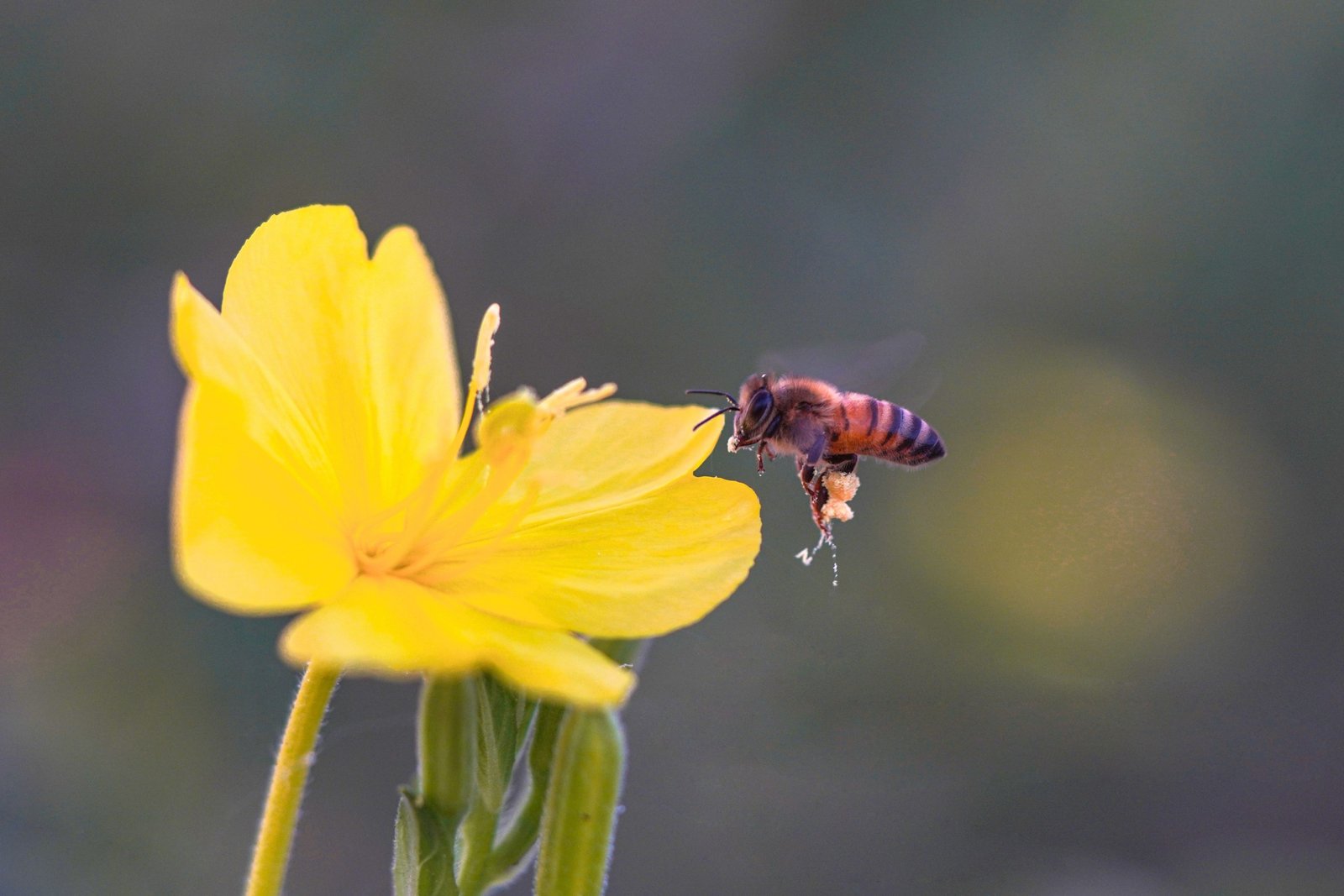
Have you ever asked yourself, how far can bees travel? These tiny but mighty creatures are known for their crucial role in pollination. In fact, bees can fly remarkable distances to gather nectar and pollen. But their travel range varies widely depending on species and environmental conditions.
Understanding Bee Flight Distances
Bees typically fly between 1 to 5 miles from their hive in search of food. However, some studies show that certain honeybees can travel up to 6 miles or even more under ideal conditions. Bumblebees tend to cover shorter distances, usually within 1 to 2 miles. The range depends largely on the bee species and the availability of resources.
Typical Flight Ranges for Different Bees
- Honeybees: 2 to 6 miles on average
- Bumblebees: 0.5 to 2 miles typically
- Sweat bees & wild bees: usually under 1 mile
Factors Affecting How Far Bees Can Travel
Several factors influence the distance bees travel. Weather plays a large role; bees avoid flying in rain or strong winds. Temperature also matters because bees work best in warm weather. In addition, the availability of flowers nearby can reduce the need to fly far. If food sources are scarce, bees must travel greater distances.
Key Influences on Bee Travel Range
- Flower density: Fewer flowers mean longer trips.
- Colony size: Larger colonies might send scouts farther.
- Energy costs: Flying farther uses more energy, so bees balance effort and reward.
- Landscape: Urban or rural settings affect travel paths and distances.
Why Bee Travel Range Matters for the Environment
The flight range of bees impacts how well they pollinate plants. The farther bees can travel, the more diverse the plants they visit. This helps ecosystems stay healthy and supports agriculture. For instance, crops rely heavily on bees for pollination. Understanding how far bees can travel informs conservation efforts to protect these essential pollinators.
Moreover, habitat fragmentation limits bee movement. When green spaces shrink, bees face challenges reaching enough flowers. Consequently, preserving natural areas and planting bee-friendly flowers close to hives can make a significant difference. By learning about bee travel distances, we can create better environments that support their survival and our food systems.
In conclusion, the question how far can bees travel reveals fascinating facts about bee behavior. While most bees fly a few miles, some can journey much farther to gather resources. Protecting their habitats ensures they continue their vital work in nature.