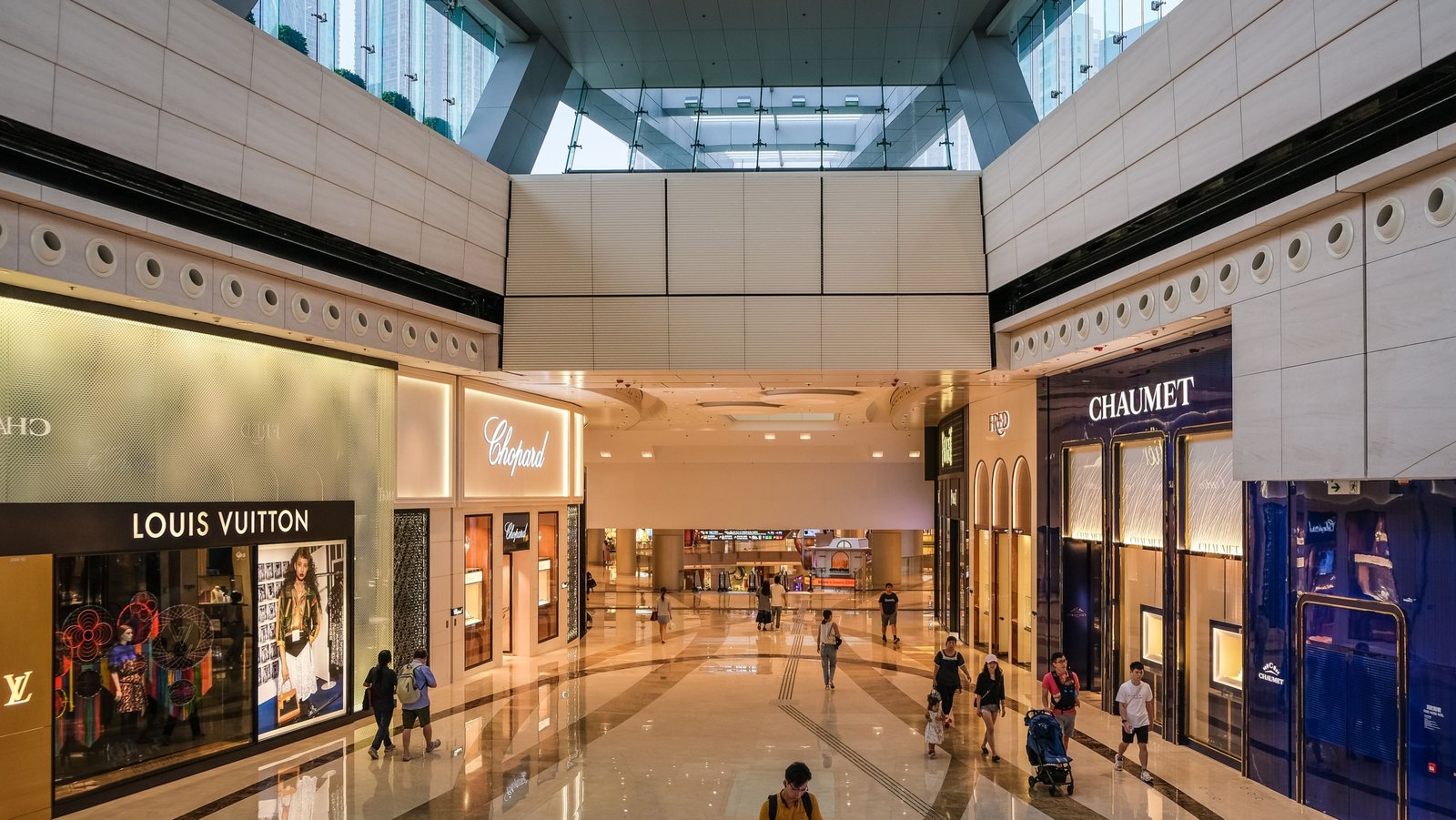
The china travel retail boom reveals a remarkable shift in how Chinese travelers engage with retail centers during their trips. As travel rebounds post-pandemic, retail sales linked to tourism have surged, generating broad interest internationally. This article explores the factors driving this boom, the main trends shaping the sector, and what the future holds.
What Is Driving the China Travel Retail Boom?
First, the rising middle class in China plays a crucial role. With more disposable income and a growing appetite for luxury goods, travelers seek unique shopping experiences abroad and domestically. Moreover, easing travel restrictions after 2023 allowed pent-up demand to explode, fueling retail sales linked to travel.
Government policies encouraging outbound tourism also boost this trend. Tax refunds, enhanced shopper protection, and the expansion of duty-free stores create an attractive environment. Additionally, the growth of e-commerce supports travel retail, blending online pre-orders and offline pick-ups.
Key Trends Shaping Travel Retail in China
- Rise of Duty-Free Shopping: Expansion of duty-free outlets at airports and city centers fuels growth by offering tax benefits and exclusive products.
- Digital Integration: Retailers use mobile payments, virtual try-ons, and influencer marketing to engage tech-savvy travelers effectively.
- Focus on Luxury and Experience: Luxury brands customize their offerings and in-store experiences to attract affluent Chinese travelers looking for exclusivity.
- Domestic Travel Retail Expansion: With outbound trips fluctuating, domestic tourism-driven retail grows quickly, especially in iconic destinations.
- Sustainability and Local Culture: Eco-conscious products and regional crafts gain appeal, reflecting shifting consumer values.
Future Outlook and Opportunities in China’s Travel Retail Market
Looking ahead, the china travel retail boom is expected to continue, driven by evolving consumer preferences and innovations in retail technology. Brands that blend personalized experiences with digital convenience will stand out. Furthermore, expanding secondary cities and integrating artificial intelligence in retail will unlock new opportunities.
International brands should align with Chinese travelers’ expectations, emphasizing authenticity and seamless shopping journeys. Partnerships with local retailers and investment in data analytics will also prove vital.
In summary, the china travel retail boom represents a vibrant sector with dynamic growth. Businesses and travelers alike will benefit from understanding these trends and preparing for a connected, consumer-focused future.