

Planning your trip carefully means knowing the best time to travel to serengeti. This helps you catch the most exciting wildlife events and enjoy ideal weather. Whether you want to see the Great Migration or spot predators in action, timing plays a crucial role.
Why Timing Matters for a Serengeti Safari
The Serengeti National Park in Tanzania is famous worldwide for its spectacular wildlife. However, animal behavior changes throughout the year. For instance, some months offer better chances for game viewing than others. Moreover, weather conditions impact travel comfort and accessibility.
Choosing the right period not only enhances sightings but also avoids heavy crowds and high prices. Safari lodges and guides often offer their best deals during shoulder seasons. Therefore, understanding the wildlife calendar is essential before booking.
The Serengeti Migration: Peak Wildlife Viewing
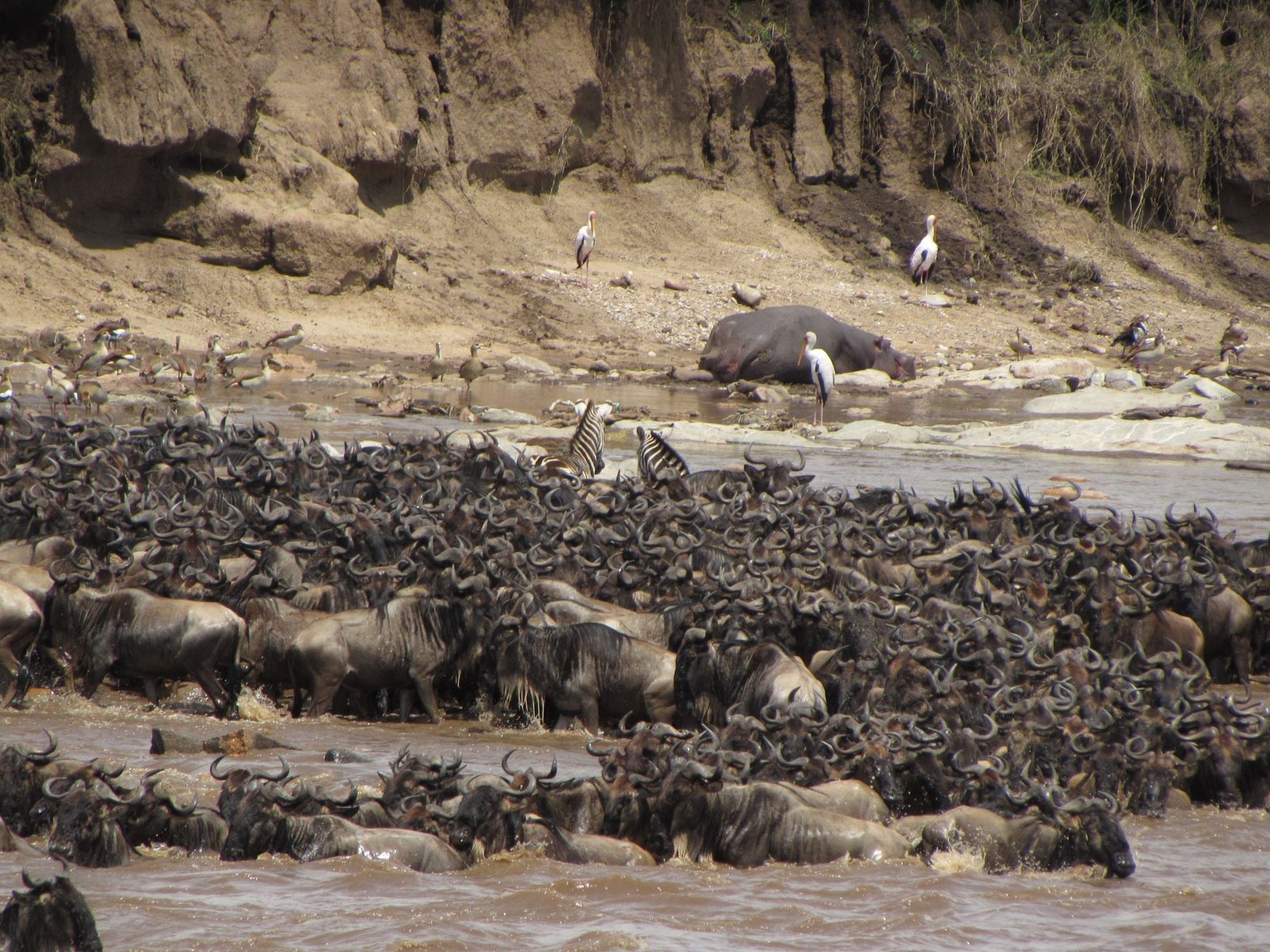
The famous Great Migration, where millions of wildebeest and zebras travel across the plains, is a highlight. It usually happens between June and October. During this time, you can witness massive herds crossing rivers, pursued by predators. This spectacle is a must-see for wildlife lovers.
From late June to early July, the migration arrives at the western corridor and the Mara River. These river crossings are dramatic and draw many visitors. Alternatively, between January and March, calving season starts. You’ll see countless newborns and predators in chase, creating an intense safari experience.
- June to October: Best for migration river crossings and large herds.
- January to March: Calving season with active predators.
- April to May: Wet season, fewer tourists but lush landscapes.
Weather and Season Guide for Serengeti Travel
Serengeti’s climate features two rainy seasons: the short rains in November-December and the long rains from March to May. Heavy rains can make dirt roads muddy and sometimes impassable. Consequently, many travelers avoid visiting during this period.
The dry season, from June to October, offers cooler temperatures and easier wildlife spotting as animals gather around water sources. This factor makes it the most popular time to visit. However, this season also coincides with peak tourist numbers and higher prices.
Visiting during shoulder months like February, early June, or late October can balance crowd sizes, prices, and wildlife viewing. Furthermore, green scenery and fresh blooms during the short rains can enhance photography opportunities.
- Dry Season (June-October): Optimal wildlife sightings but pricier and crowded.
- Wet Season (March-May): Fewer tourists, lush landscapes, some inaccessible areas.
- Short Rains (November-December): Quiet time with fresh scenery and bird activity.
In summary, the best time to travel to Serengeti depends on your priorities: wildlife events, weather preferences, and budget. For spectacular Migration views and great game drives, June to October is ideal. If you prefer fewer crowds and greener scenery, consider the shoulder or wet seasons. Start planning your Serengeti safari for 2026 today to secure the best deals and unforgettable experiences.

