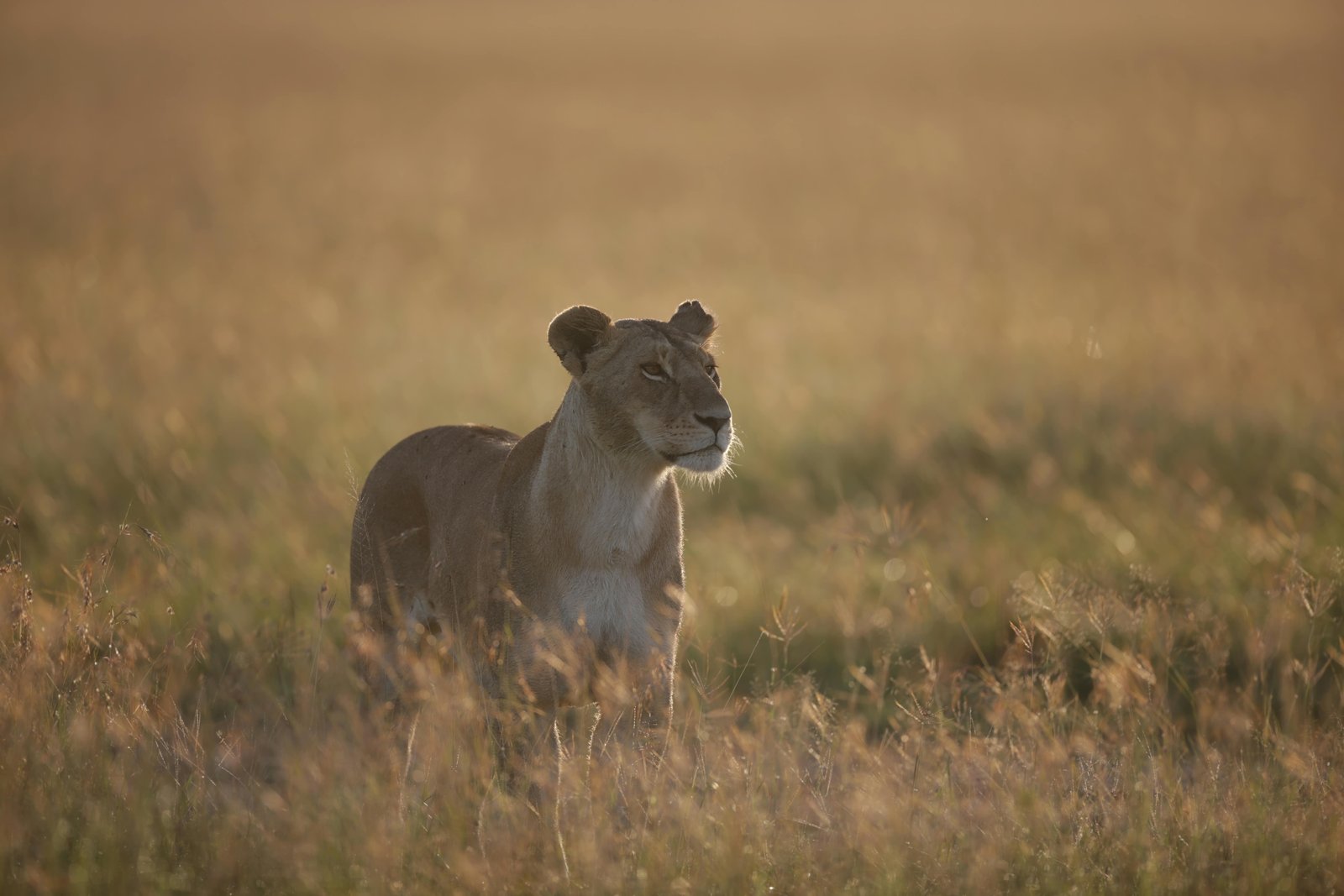
Planning your dream trip to Africa? Deciding on the best time to travel to kenya is your first major step. This decision significantly impacts everything, from the wildlife you’ll see to the price of your safari. Consequently, getting the timing right is essential for an unforgettable adventure. This guide breaks down the seasons to help you choose the perfect window for your visit.
Understanding Kenya’s Two Main Seasons
Kenya doesn’t have the typical four seasons. Instead, its climate is defined by two main periods: the dry season and the wet season. Each offers a unique experience. Your choice will depend entirely on what you want to see and do. Therefore, let’s explore what each season holds.
The Long Dry Season (June to October)
This is overwhelmingly the most popular time to visit. The weather is sunny and dry, with very little rainfall. Moreover, the lack of rain means vegetation is sparse and water sources are limited. This forces animals to congregate around rivers and waterholes, making them much easier to spot. This period is absolutely perfect for first-time safari-goers.
The Wet or ‘Green’ Season (November to May)
This season is characterized by two rainy periods. The ‘short rains’ occur in November and December, while the ‘long rains’ happen from March to May. However, do not let the rain deter you. The landscape transforms into a lush, green paradise. In addition, this is the best time for birdwatching, as migratory birds arrive in droves. You will also find fewer crowds and lower prices.
The Dry Season (June – October): Prime Safari Time
If your main goal is wildlife viewing, this is your season. From June to October, conditions are ideal. The skies are clear, and the risk of malaria is lower due to fewer mosquitoes. The highlight, of course, is the Great Migration. Millions of wildebeest, zebra, and gazelle cross the Mara River, creating a breathtaking spectacle. Consequently, this is peak season, so you should book your accommodation and tours well in advance.
- Pros: Excellent wildlife visibility, ideal weather, and the Great Migration in the Maasai Mara.
- Cons: Higher prices, more crowded parks, and a need for early booking.
The Wet ‘Green’ Season (November – May): A Lush Alternative
The green season offers a different, yet equally magical, Kenyan experience. The parks are vibrant and full of new life, as many animals give birth during this time. Photography enthusiasts will love the dramatic skies and rich colors. While the ‘long rains’ from March to May can bring heavy downpours, they are often short-lived. Furthermore, this is a fantastic time for budget-conscious travelers as many lodges offer significant discounts.
- Pros: Lower costs, fewer tourists, beautiful green landscapes, and excellent birdwatching.
- Cons: Some roads may become impassable, and wildlife can be harder to spot in the dense vegetation.
So, What is the Best Time to Travel to Kenya for You?
Ultimately, the best time to visit depends on your personal priorities. To make it simple, here is a quick summary based on different travel styles.
For the Great Migration
Plan your trip between July and September. This is when the herds are typically crossing the Mara River from Tanzania’s Serengeti into the Maasai Mara. It’s a true once-in-a-lifetime sight.
For Budget Travelers
Consider traveling during the long rains, specifically from April to May. You will benefit from the lowest prices of the year on flights and accommodation. Plus, you will have the parks almost to yourself.
For Beach Lovers
The Kenyan coast is beautiful year-round. However, for the best beach weather, aim for the dry seasons. January to March is particularly great, with hot, dry days perfect for relaxing on the white sands of Diani Beach.