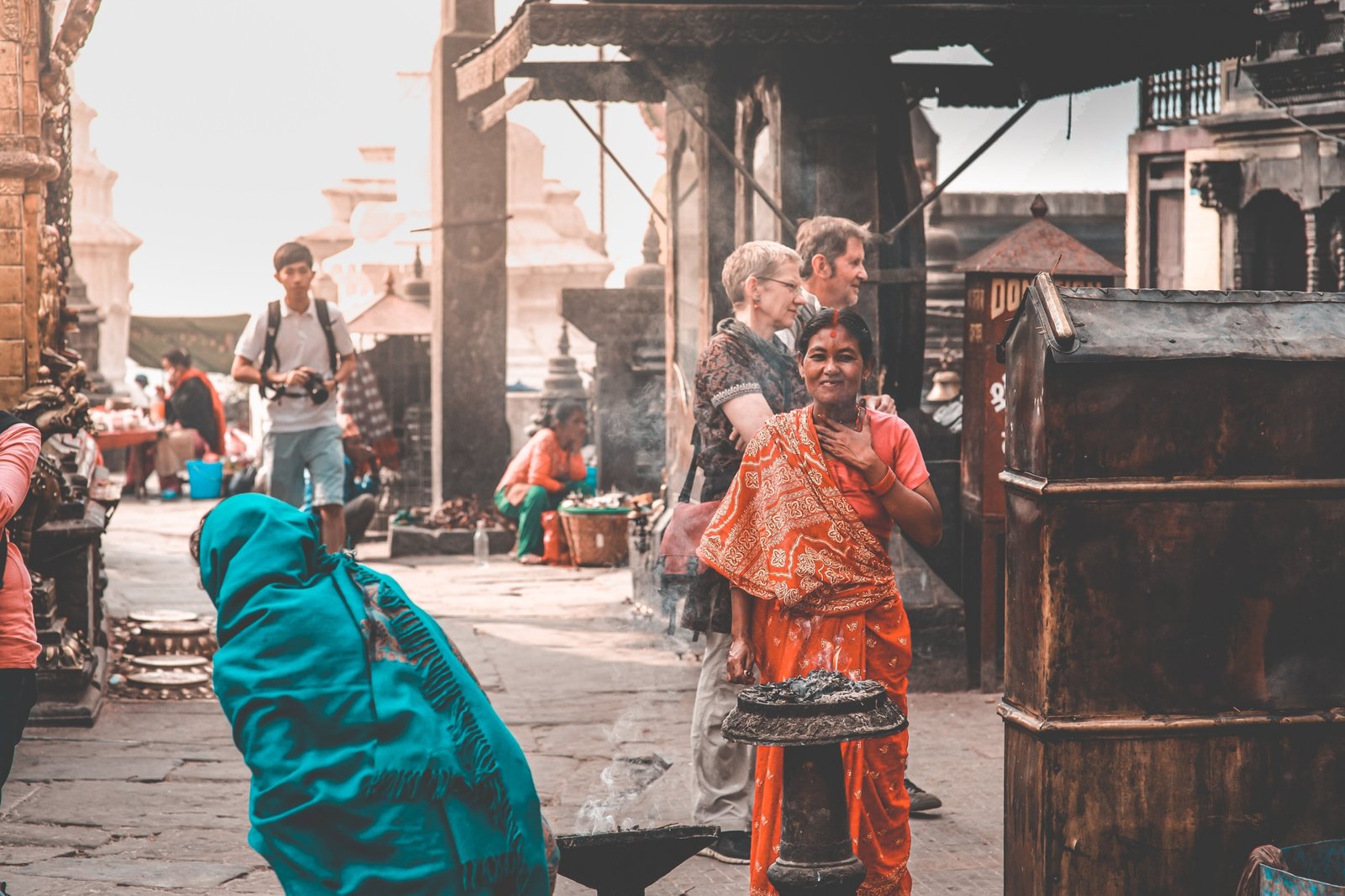
Being labeled a bad traveller is not about the destination you visit, but how you behave during your journey. Many people travel, yet only some truly enjoy and respect the experience. Spotting the traits of a bad traveller helps you improve and make your trips more rewarding.
Defining a Bad Traveller: Key Characteristics
A bad traveller is someone who acts selfishly or irresponsibly while exploring new places. For example, they may ignore local customs or be disrespectful to people and the environment. Often, such travelers focus only on ticking off famous sights without appreciating the cultural context.
In addition, bad travellers might be unprepared or inflexible, causing unnecessary stress for themselves or others. A careless attitude towards waste or local resources shows a lack of awareness and respect, which further defines this type of traveller.
Common Mistakes Made by Bad Travellers
Many bad travellers share similar habits. Below are some common mistakes to watch out for:
- Disrespecting local culture: Ignoring traditions, dress codes, or social norms.
- Being overly demanding: Expecting services to match home standards without consideration.
- Poor planning: Missing essential items or bookings and then complaining.
- Neglecting environmental impact: Littering or disturbing ecosystems.
- Being rude or impatient: Poor manners with locals or other travellers.
These mistakes do not just affect the traveller; they can harm the destination’s community and environment.
Tips to Become a Better Traveller
Thankfully, anyone can improve their travel habits by keeping a few key ideas in mind. Here are practical tips to avoid being a bad traveller:
- Research before you go: Learn about the destination’s culture, customs, and language basics.
- Respect local people: Always act politely and listen to locals’ advice or rules.
- Plan ahead: Organize your itinerary to avoid last-minute stress and wasted time.
- Minimize your impact: Use sustainable travel options and avoid waste.
- Stay flexible: Accept that things might not go as expected and adapt.
By practicing these tips, you not only make your trip more enjoyable but also contribute positively to the places you visit.