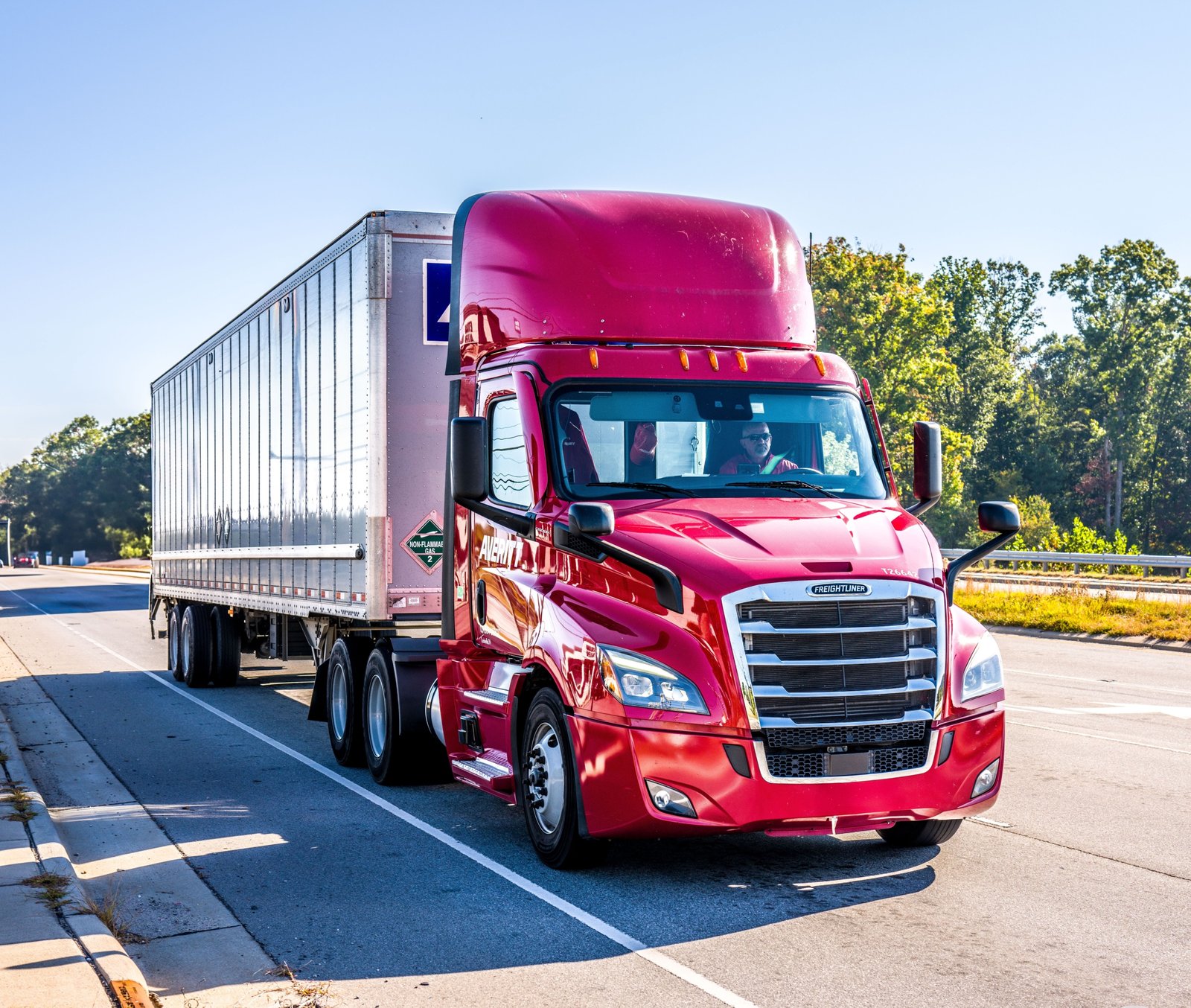
a fully loaded tractor-trailer traveling 55 mph behaves differently than lighter vehicles. Understanding its characteristics is vital for drivers, road users, and logistics professionals. This article covers essential details about the truck’s speed, safety, and performance on highways.
Characteristics of a Fully Loaded Tractor-Trailer Traveling 55 mph
When a tractor-trailer reaches 55 mph with a full load, it carries significant momentum. The combined weight often exceeds 80,000 pounds. Due to this, acceleration takes longer compared to smaller vehicles. The truck’s size also affects its ability to maneuver, especially in traffic.
- Heavy weight increases inertia, making quick stops hard.
- Traveling at 55 mph is considered efficient for long-haul routes to balance speed and fuel consumption.
- Wind resistance and road gradient significantly impact the truck’s speed capabilities.
Safety Considerations on the Highway
Safety remains a top priority for a fully loaded tractor-trailer traveling 55 mph. Trucks have longer braking distances, sometimes exceeding 400 feet under ideal conditions. Drivers must maintain safe following distances and drive cautiously.
- Avoid sudden lane changes and rapid stops.
- Check mirrors frequently to monitor blind spots.
- Weather conditions like rain or fog require reduced speeds and extra caution.
Other drivers should remember that tractor-trailers need more room to turn and stop. Understanding this can prevent accidents and ensure smooth traffic flow.
Impact on Fuel Efficiency and Braking Distance
Fuel efficiency varies with load weight and speed. Operating at 55 mph tends to optimize fuel consumption for many trucks. However, adding a full load increases engine strain, affecting mileage.
Braking distance also grows with the truck’s load and speed. Professional drivers rely on engine braking and air brakes to slow down safely. Regular maintenance of brake systems ensures responsiveness when needed.
- Proper tire inflation helps improve fuel efficiency and safety.
- Using cruise control can maintain steady speeds, lowering fuel use.
- Routine inspections minimize mechanical failure risks on the road.
In conclusion, a fully loaded tractor-trailer traveling 55 mph demonstrates unique performance and safety traits. Knowing these factors benefits the trucking industry and all road users, promoting safer highways and more efficient freight transport.